In yoga, the way we place our hands or direct our gaze is more than symbolism it’s a way of shaping energy and awareness. Among the most foundational gestures are Gyana Mudra, Chin Mudra, and Shambhavi Mudra. They are quiet, almost invisible practices, yet they transform the mind in powerful ways.
Gyana Mudra – The Seal of Inner Wisdom
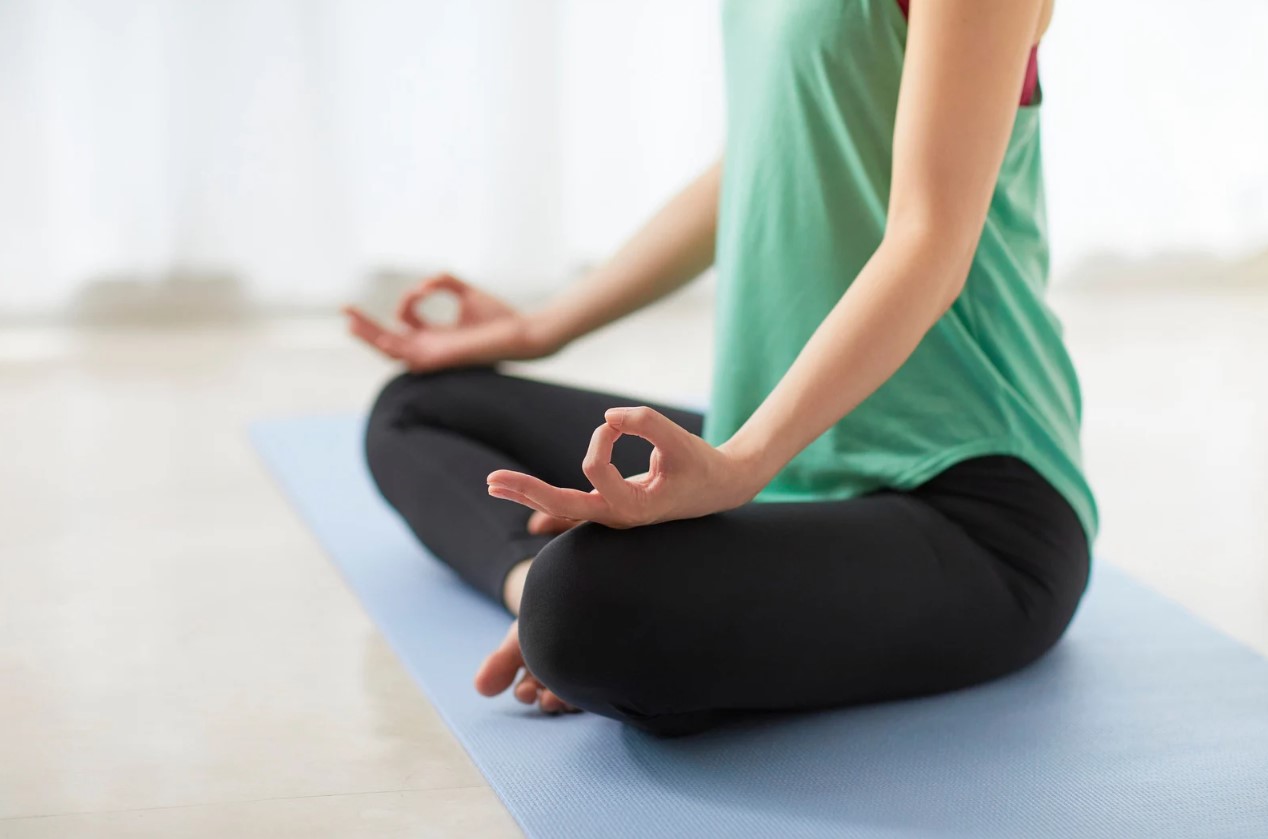
The word “Gyana” (or Jnana) means knowledge, and this mudra represents the meeting of the individual consciousness with the universal. When the index finger touches the thumb, the circle formed symbolizes unity the reminder that the drop and the ocean are one.
The remaining three fingers represent the three gunas sattva, rajas, and tamas the qualities of nature that shape our behavior and experience. When you hold this mudra, it’s a gesture of transcending them, resting in awareness itself.
How to practice:
Sit in a comfortable position. Rest the backs of your hands on your knees. Touch the tips of the thumb and index finger together lightly; let the other three fingers relax. Keep your shoulders soft, chest open, and breath steady.
Experience:
If you stay still for a few breaths, you may feel a quiet connection between the hands and the heart. The mind begins to collect itself. Thought becomes clearer. Many practitioners describe Gyana Mudra as bringing a sense of alert calmness—neither sleepy nor restless.
Check out our 300 hour yoga teacher training in india
Chin Mudra – The Gesture of Conscious Connection
Chin Mudra looks identical to Gyana Mudra, but the palms face upward instead of down. This small shift changes the entire energy of the practice.
Gyana Mudra (palms down) Grounding, inward, stabilizing.
Chin Mudra (palms up) Open, upward, receptive.
You might use Chin Mudra when you wish to open yourself to inspiration, intuition, or prayer. It is often used in meditation and pranayama because it subtly lengthens the breath and promotes receptivity. When the palms are up, the heart feels lighter. The mind starts listening rather than controlling.
Try this:
During meditation, begin with Gyana Mudra to settle. After a few minutes, turn the palms upward into Chin Mudra. Feel how the quality of your attention changes. The same posture, but the current moves differently less about grounding, more about expansion.
Shambhavi Mudra – The Inner Gaze
While the first two mudras use the hands, Shambhavi Mudra uses the eyes and mind. It is one of the most subtle and sacred gestures described in the Hatha Yoga Pradipika and Gheranda Samhita. The practice directs awareness toward the space between the eyebrows the ajna chakra, the seat of inner perception.
When done gently, this mudra awakens a single-pointed awareness. The outer eyes may remain half-closed or softly open, but the attention turns inward. In yogic science, it’s said to balance the left and right hemispheres of the brain, refine concentration, and prepare the mind for meditation and samadhi.
How to practice:
Sit with your spine straight. Relax your face completely. Without moving the head, slowly direct your gaze toward the point between the eyebrows. The effort must be minimal just a soft inner focus, not a strain. Breathe quietly and stay for a few moments. If you feel tension, close the eyes and rest.
Benefits:
Practitioners often experience deep calm, clarity, and sometimes a subtle brightness behind the closed eyes. The breath slows naturally. It’s not about seeing light or visions, but about recognizing the silent witness behind every experience.
Practicing Them Together
You can combine these three mudras into a short daily ritual:
1. Begin with Gyana Mudra (palms down) to ground your energy.
2. Shift to Chin Mudra (palms up) to open and receive.
3. End with Shambhavi Mudra by gently turning the gaze inward.
This sequence moves energy from the earth to the sky, and then to the subtle space within. It aligns body, mind, and spirit without forcing anything. Even five or ten minutes of such practice can leave you feeling centered and awake.
A Note of Caution
Mudras are not about performance. Forcing Shambhavi or locking the eyes can create tension. Keep it soft, always. People with eye strain, high blood pressure, or neurological issues should practice Shambhavi under guidance. The hand mudras, on the other hand, are safe for almost everyone when done gently.
Closing Reflection
If you observe closely, every moment of life is a kind of mudra a gesture revealing where our attention rests. These yogic gestures simply remind us of that truth. The hands form a bridge between body and mind, while the gaze turns the light inward. With steady practice, you begin to feel that meditation isn’t something you do it’s something that quietly happens when alignment returns.
The beauty of Gyana, Chin, and Shambhavi mudras lies in their simplicity. You can practice them anywhere on your mat, at your desk, even while waiting for the rain to stop. Over time, they become not just techniques, but a language of awareness itself.
learn to know more about gyana mudra, chin mudra and sambhavi mudras so you can visit best yoga school in india and join 200 hour yoga teacher training in india