If these names are calling you, your practice has probably moved beyond chasing perfect poses. You’re starting to care more about what happens inside how breath, nerves, sexuality and mind move together.
In classical Hatha Yoga, Maha Mudra, Maha Bheda, Vajroli Mudra and Yoni Mudra are considered inner locks. They work on apana vayu, sexual potential and deep habit patterns. Because of this, they are best learnt from a real teacher who can see your body and understand your history.
This is not a how-to guide, but a way to understand what these mudras are pointing toward.
Maha Mudra Gathering What Is Scattered
Maha means great; mudra here is a seal or inner gesture. Classical texts describe Maha Mudra as a way to influence apana vayu the downward-moving current and to protect sexual essence (bindu), so that it can be refined into ojas, subtle vitality.
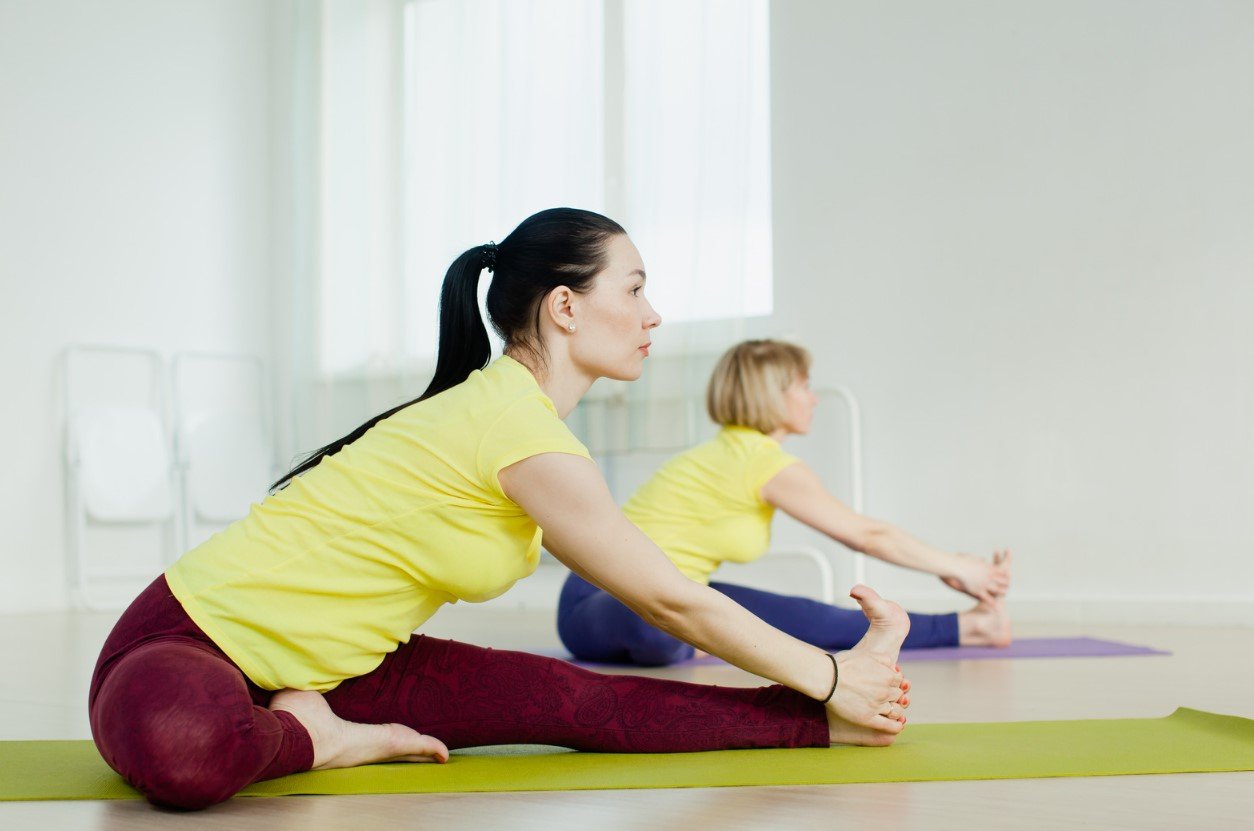
Outwardly, Maha Mudra looks simple:
One leg extended
The other folded so the heel presses near the perineum
Spine long
Chin drawn into Jalandhara Bandha
Breath held briefly with attention along the spine
Inwardly, practitioners often notice:
Better digestion
A more grounded lower back
A mind that is quieter without feeling heavy or dull
Because of the pressure at the pelvic floor and the use of breath retention, Maha Mudra is usually avoided in pregnancy, menstruation, uncontrolled high blood pressure, serious heart disease, glaucoma and major spinal injury. It is not just a decorative forward bend; it is a deliberate energetic lock.
Maha Bheda Piercing Inner Knots
If Maha Mudra gathers and steadies, Maha Bheda Mudra is described as the one that pierces inner knots. Texts speak of subtle blocks that stop prana from flowing easily through sushumna, the central channel.
In many lineages, Maha Bheda is introduced only when Maha Mudra is already comfortable and familiar. From the outside you see:
A seated posture
Bandhas applied
Breath retained
From the inside, practice can feel strong rising heat, a sense of vertical lift, and sometimes old emotions coming up to be seen.
Because Maha Bheda disturbs fixed patterns, it is not ideal when life already feels unstable. If sleep, digestion and emotional balance are fragile, grounding practices are often more truly “advanced” for you than piercing ones.
Check out our 100 hour yoga teacher training in rishikesh
Vajroli Mudra A New Relationship With Desire
Vajroli Mudra is the most misunderstood of the four. Some medieval texts praise it as the secret of all secrets and describe ways of preserving semen and drawing sexual fluids upward. Read literally, these instructions can sound extreme, and many modern teachers criticise them as unsafe or unnecessary today.
Under the dramatic language is a simple, very human idea:
Vajroli is about how you relate to sexual energy.
The usual pattern is:
stimulus → arousal → compulsion → release → dullness → repeat
Vajroli invites another pattern:
stimulus → awareness → containment → redirection → clarity
In a healthy setting, Vajroli is not a circus trick. It looks like:
Gentle awareness of the pelvic floor
Learning to feel arousal without immediately acting on it
Questioning habits around constant stimulation (screens, porn, fantasy)
Bringing ahimsa and consent into every sexual encounter
The goal is not repression. It is dignity in desire and the freedom to choose rather than be dragged by impulse.
Yoni Mudra Returning to the Inner Cave
Yoni means womb, source, origin. Yoni Mudra is usually taught as a pratyahara practice a turning of the senses inward.
Often it takes the form of Shanmukhi Mudra:
Thumbs close the ears
Fingers rest lightly around the eyes, nostrils and lips
Attention shifts from outer noise toward inner sound and darkness
For a few breaths, the mind is invited to rest as if back in a safe womb. The habit of constantly looking outward pauses. Many practitioners find that this simple withdrawal of the senses:
Softens anxiety
Calms overstimulation
Prepares them for deeper pranayama or meditation
Touch around the face is light and kind; it should feel like being held, not forced.
How They Work Together And Why There Is No Rush
These four mudras point in four directions:
Maha Mudra gathers scattered energy and gives it a spine.
Maha Bheda loosens rigid patterns so prana can move again.
Vajroli teaches maturity around sexual energy instead of shame or indulgence.
Yoni Mudra offers the mind a quiet inner cave away from constant input.
It is tempting to chase all of them at once because they sound powerful. But advanced practice is not a race to collect techniques. It is a slow, honest relationship with your own system.
If something here resonates, you do not need to force these mudras into tomorrow’s routine. You might simply:
Talk with your teacher about exploring Maha Mudra occasionally.
Add a minute of soft Yoni Mudra at the end of savasana.
You could also journal about your relationship with desire before you even think about Vajroli:
Where are you acting from habit, and where are you able to pause and choose?
In the end, the deepest inner lock is not a muscular contraction or a clever way of holding the breath. It is your willingness to stay present with whatever rises pleasure, discomfort, longing, silence without immediately running away or reaching for distraction.
Everything else is just technique wrapped around that simple, lifelong practice.
learn to know more about maha mudra you can visit yoga school in rishikesh and join 200 hour yoga teacher training in rishikesh